

Verrucae, also known as plantar warts, are small growths that usually appear on the soles of the feet. They affect around 10% of the population and are caused by the Human Papilloma Virus (HPV), which spreads through direct contact. In this article, we explain what causes verrucae, how to spot them, and the treatment options available.
How Verrucae Spread
HPV is highly contagious and is often picked up in communal areas such as swimming pool changing rooms and shared shower facilities. The virus can transfer from the floor to your skin, especially if you have any small cuts or abrasions. Although children, teenagers and young adults are most at risk, anyone can develop a verruca.
How to Recognise a Verruca
In the early stages, a verruca may look like a discoloured or whitish patch of skin. Over time, they can develop into small clusters and may contain tiny black dots – these are small blood vessels that have bled into the tissue.
Verrucae are not always painful, but when they appear on weight-bearing areas such as the heel, they can cause discomfort and make walking difficult. A quick way to distinguish a verruca from other skin conditions is to pinch it – verrucae usually hurt when pinched from the sides but not when pressed directly.
Can Verrucae Go Away on Their Own?
Some verrucae will clear naturally within 2 to 5 years as your immune system tackles the virus. If they are not painful, you might choose to leave them alone. However, if a verruca causes discomfort, spreads quickly, or becomes unsightly, treatment may be the better option.
Over-the-counter remedies, such as those containing salicylic acid, can help, but they can also be costly, may cause irritation to healthy skin, and are not always effective. Anyone with diabetes, poor circulation, autoimmune conditions, or multiple painful verrucae should seek professional treatment.
Professional Verruca Treatments at Randell’s Footcare
At Randell’s Footcare, we offer a range of professional treatments tailored to your needs, taking into account the size of the verruca, how long it has been present, and your budget. Our options include:
- Cryotherapy (freezing)
- Heatshock therapy
- Swift Microwave Therapy
- Plasma therapy
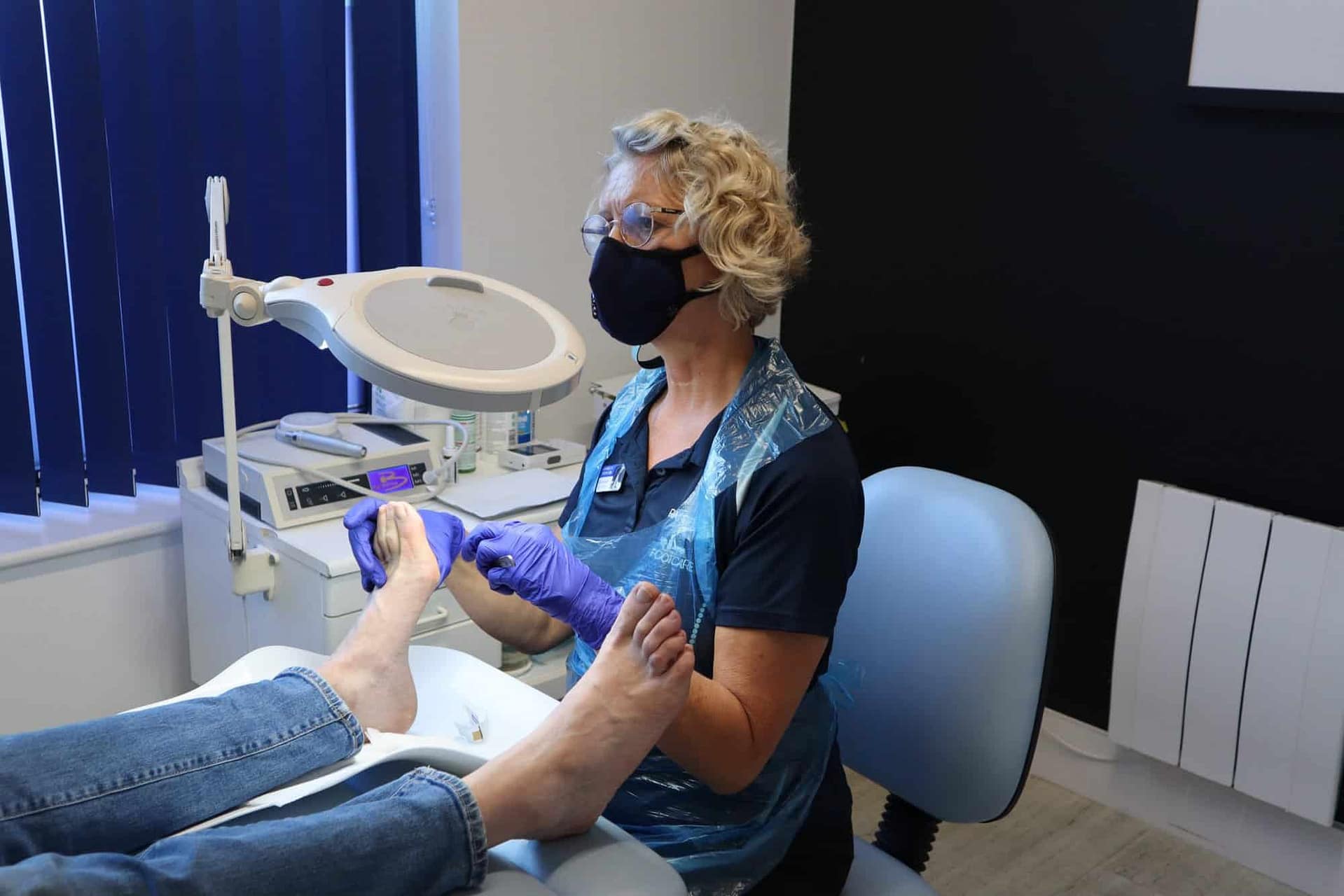
At your initial appointment, one of our podiatrists will examine your verruca, remove any hard skin to reduce discomfort, and discuss the most suitable treatment options for you. We will also check for any factors that may affect your treatment plan.
Preventing Verrucae
Prevention starts with protecting your feet in communal spaces. Verruca socks are still available, but wearing flip-flops in changing rooms and showers is a practical alternative. Products such as Excilor 3-in-1 Protector Spray can also form a protective barrier on your skin without drawing attention.
Keeping your feet in good condition helps too – use foot creams to avoid hard skin and always cover cuts or abrasions to prevent infection.
Final Thoughts
There’s no need to put up with the discomfort or embarrassment of a verruca. With effective treatments available, you can get back to feeling comfortable on your feet.
For more information on prevention and treatment, visit our Verrucae Treatment Page or get in touch with us to arrange an appointment.
