
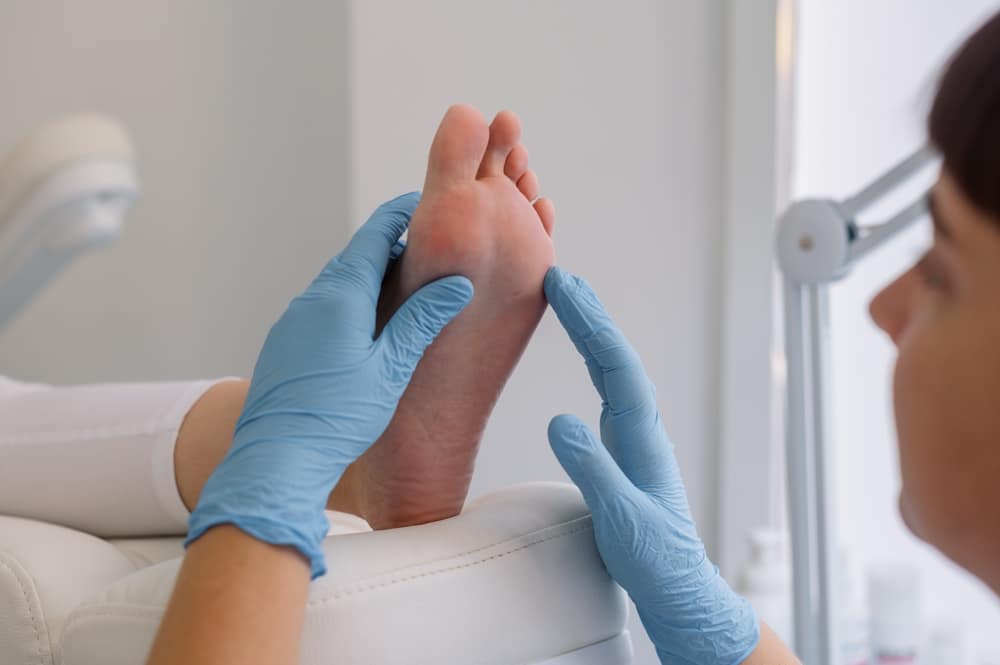
Heel pain is one of the most common foot problems we see at Randell’s Footcare. It can affect people of all ages and activity levels, from runners and active individuals to those who spend long hours standing at work. For some people, heel pain is a mild annoyance that comes and goes. For others, it can become persistent and start affecting everyday life, making walking, exercising, or even getting out of bed uncomfortable.
The positive news is that most heel pain can be treated successfully once the underlying cause has been identified.
What Does Heel Pain Feel Like?
Heel pain can vary depending on the cause. Some people experience a sharp pain underneath the heel, particularly when taking their first steps in the morning. Others notice aching after long periods of standing or discomfort during exercise.
Pain can also develop at the back of the heel, often linked to the Achilles tendon, or as a general feeling of tightness through the calf and arch of the foot.
Common Causes of Heel Pain
Plantar Fasciitis
One of the most common causes of heel pain is plantar fasciitis. This occurs when the plantar fascia, a thick band of tissue running along the bottom of the foot, becomes irritated or overloaded.
People often notice pain underneath the heel first thing in the morning or after sitting for a while. The pain may ease as the foot warms up but can return later in the day. Plantar fasciitis is often linked to increased activity levels, tight calf muscles, poor footwear, or spending long periods on your feet.
Achilles Tendinopathy
Pain at the back of the heel is commonly associated with the Achilles tendon. This condition develops when the tendon becomes irritated due to overload or repeated strain.
It is particularly common in runners and active individuals, especially after sudden increases in training or changes in activity levels. Tight calf muscles and biomechanical issues can also contribute.
Heel Spurs
Heel spurs are small bony growths that can form on the heel bone. Although many people assume heel spurs are the direct cause of pain, they are often painless themselves. In many cases, the discomfort is actually coming from irritation in the surrounding soft tissues.
Sever’s Disease
Children and teenagers can also experience heel pain, particularly during growth spurts. Sever’s disease affects the growth plate at the back of the heel and is common in active children involved in sports such as football, gymnastics, and running.
Fat Pad Syndrome
The heel contains a natural cushioning layer known as the fat pad. Over time, this padding can thin or become irritated, leading to pain directly underneath the heel, particularly during prolonged standing or walking.
What Can Contribute to Heel Pain?
There are several factors that may increase the likelihood of developing heel pain. Poor footwear, tight calf muscles, changes in activity levels, and certain foot types can all place additional strain on the heel. Biomechanical issues, previous injuries, and carrying extra body weight may also contribute.
How Heel Pain Is Diagnosed
At Randell’s Footcare, we begin with a full assessment to understand your symptoms, activity levels, and medical history. We also assess the way you walk and move, along with your foot posture and footwear.
Understanding the underlying cause is an important part of building an effective treatment plan.
Treatment Options for Heel Pain
Treatment depends on the cause of the pain and how long symptoms have been present.
For many patients, simple changes can make a significant difference. Supportive footwear, stretching exercises, and improving strength and flexibility often help reduce strain on the heel. Orthotics may also be recommended to improve foot mechanics and reduce pressure on painful areas where appropriate.
For more persistent cases, treatments such as shockwave therapy or physiotherapy may be beneficial. Our physiotherapy team can help improve strength, mobility, and movement patterns, particularly for active individuals or recurring injuries.
Injection therapy may also be considered in some long-standing cases where conservative treatment has not been effective.
When Should You Seek Advice?
If heel pain has been ongoing for more than a few weeks, is affecting the way you walk, or is stopping you from exercising comfortably, it is worth seeking professional advice. Early treatment often helps prevent symptoms from becoming more severe and can improve recovery times.
How Randell’s Footcare Can Help
At Randell’s Footcare, our podiatrists and physiotherapists work together to assess the cause of your heel pain and create a treatment plan tailored to you. Whether your symptoms are recent or something you have been struggling with for months, our team is here to help you move more comfortably again.
Call us on 01603 737188 or book online 24/7 through our website
