
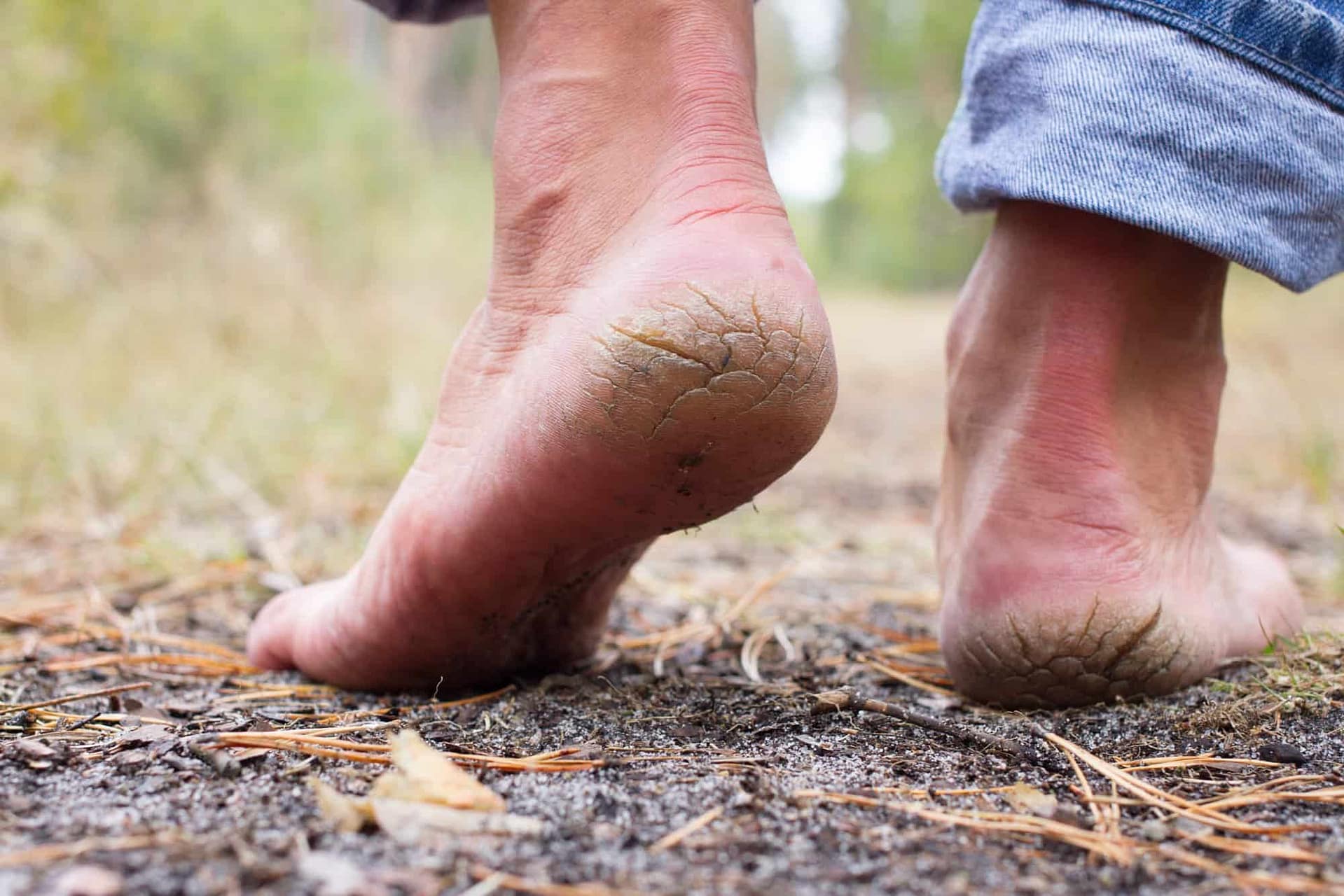
Cracked heels are a common foot problem that many people experience at some point, particularly during the warmer months when feet are more exposed. While they can start as a minor cosmetic concern, cracks in the skin can deepen over time and become painful if not managed properly.
At Randell’s Footcare, we regularly treat cracked heels and help patients both improve comfort and prevent them from returning.
What Are Cracked Heels?
Cracked heels, sometimes referred to as heel fissures, occur when the skin around the heel becomes dry, thickened, and less flexible. As pressure is applied through standing and walking, the skin can split, leading to visible cracks.
In mild cases, the skin may simply appear dry or flaky. In more severe cases, cracks can deepen and cause pain, especially when walking or standing.
What Causes Cracked Heels?
There are several reasons why cracked heels develop, and often more than one factor is involved. Dry skin is one of the most common causes. When the skin loses moisture, it becomes less elastic and more prone to splitting. This is often worse in warmer weather or when wearing open-backed footwear.
Increased pressure on the heel can also play a role. Standing for long periods, carrying extra body weight, or having a natural tendency for the heel to spread when walking can all increase stress on the skin.
Footwear is another important factor. Sandals and flip flops allow the heel to expand sideways, which can contribute to cracking over time.
Certain medical conditions can increase the risk, including diabetes, eczema, psoriasis, and reduced circulation. These can affect the skin’s ability to heal and maintain moisture.
Signs to Look Out For
Cracked heels can develop gradually. Early signs include dry, rough skin around the heel, often with a yellowish or thickened appearance. As the condition progresses, you may notice:
- Visible cracks in the skin
- Discomfort when walking or standing
- Hard skin build-up around the heel
- In more severe cases, deeper fissures that may bleed
If left untreated, cracks can worsen and increase the risk of infection.
Why Treatment Is Important
Many people try to manage cracked heels themselves, but without addressing the underlying cause, they often return.
If cracks become deep, they can be painful and may make walking uncomfortable. In people with diabetes or poor circulation, even small cracks can lead to more serious complications if the skin breaks down further.
Early treatment helps improve comfort and reduces the risk of more complex problems developing.
Treatment Options
At Randell’s Footcare, treatment focuses on both improving the condition of the skin and addressing contributing factors.
Professional podiatry care can safely remove hard, thickened skin, reducing pressure on the heel and allowing the skin to heal more effectively. We also provide advice on appropriate moisturisers, as not all products are equally effective. Urea-based creams are often recommended to help soften and rehydrate the skin.
If foot posture or pressure is contributing to the problem, we may advise on footwear changes or consider orthotics to improve how weight is distributed through the foot.
In more severe cases, a structured treatment plan may be recommended to gradually improve the condition of the skin over time.
How to Prevent Cracked Heels
Prevention plays a key role in managing cracked heels, particularly if you have experienced them before.
Keeping the skin well moisturised is one of the most important steps. Applying a suitable foot cream daily can help maintain skin elasticity. Wearing supportive, well-fitting footwear can reduce pressure on the heel. Shoes with a closed back can help limit the sideways expansion of the heel during walking.
Avoiding prolonged periods of standing where possible and keeping the feet clean and dry can also help maintain skin health.
Regular podiatry appointments can prevent the build-up of hard skin and reduce the risk of cracks forming again.
When Should You Seek Advice?
If your heels are becoming painful, the cracks are deepening, or home treatments are not improving the condition, it is worth seeking professional advice. This is especially important if you have diabetes, poor circulation, or any condition that affects healing.
How Randell’s Footcare Can Help
At Randell’s Footcare, our experienced podiatrists can assess your feet, safely remove hard skin, and provide tailored advice to help treat and prevent cracked heels.
Whether your symptoms are mild or more advanced, we are here to help you stay comfortable and keep your feet healthy.
Call us on 01603 737188 or book online 24/7 through our website
