
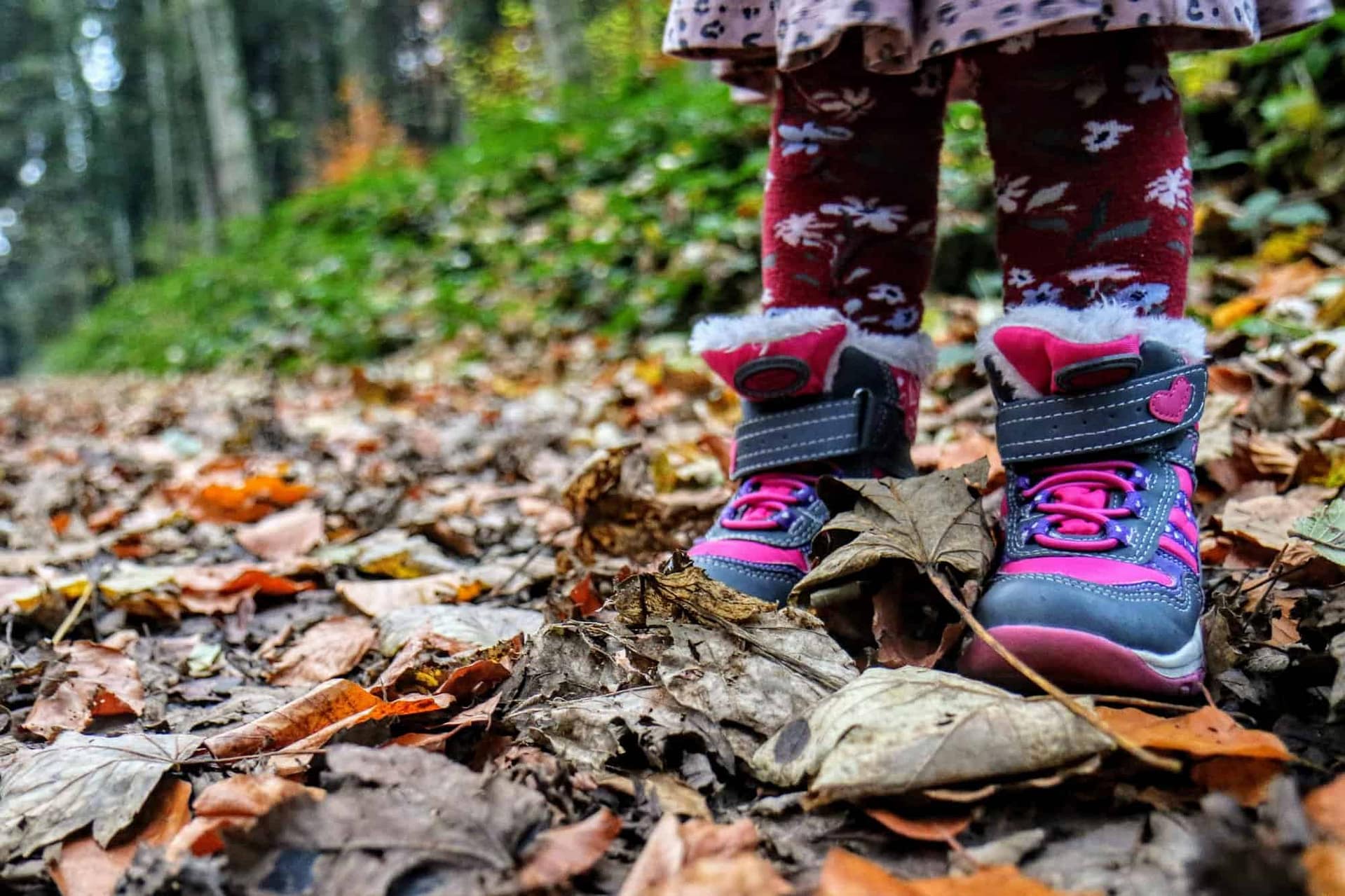

Puddle jumping is one of childhood’s greatest joys – but soggy socks, heavy wellies, and poor fit can leave little feet less happy than they look! With autumn rain and winter mud on the way, now is the perfect time to help keep children’s feet warm, comfortable and healthy while they enjoy every splash.
At Randell’s Footcare, we see plenty of foot concerns in children that are linked to footwear – especially wellington boots. Here’s what parents need to know to keep young feet protected.
Why Wellies Can Be Tricky for Children’s Feet
Wellington boots are brilliant for wet weather, but they’re not always the most foot-friendly option. Unlike everyday shoes, wellies often:
- Lack structure and support – Their soft, flexible rubber doesn’t support the arch or heel very well.
- Are often too loose – Many children wear them a size bigger so they “last longer”, but this allows the foot to move around too much.
- Can make feet sweaty – The rubber doesn’t breathe, which can lead to damp skin, irritation or fungal infections.
- Are heavy for little legs – This can change the way children walk, making them shuffle or grip with their toes to keep the boots on.
None of these issues mean wellies are bad – just that they need to be used wisely.
Choosing the Right Wellies
A well-fitting welly makes all the difference. Here’s what to look for:
1. The right size
Children’s feet grow quickly, but avoid buying wellies with too much growing room. A thumb’s width (about 1cm) is enough.
2. Supportive insoles
Some wellies come with removable insoles that offer cushioning and better heel hold. If not, you can buy child-friendly insoles separately.
3. A secure fit around the ankle
The boot should stay on without your child having to grip with their toes. If it slips off easily, it’s too big.
4. Lightweight materials
Look for wellies that feel easy to lift. Lightweight boots reduce fatigue and help children walk naturally.
5. Warm lining
For cold seasons, choose fleece-lined or neoprene-lined wellies to keep feet warm without needing multiple thick socks (which can cause rubbing).
How Long Should Children Wear Wellies?
Wellies are great for outdoor adventures, but they’re not meant for all-day wear. Because they lack breathability and support, try to:
- Keep them for short bursts of play, not full school days.
- Encourage children to change into breathable everyday shoes once indoors.
- Check socks and feet are dry before putting the boots back on.
Preventing Common Foot Problems
Here are a few simple steps to keep children’s feet in their best condition:
🦶 Avoid damp skin
Always dry between the toes. Damp skin is more prone to rubbing and infections.
🧦 Choose good socks
Opt for cotton or wool socks that wick moisture away from the skin. Avoid thick socks that make wellies too tight.
👣 Watch for rubbing
Redness around the heel or ankle is usually a sign the boots aren’t fitting well.
🧴 Moisturise dry skin
A child-friendly moisturiser can help prevent cracked heels, especially in winter.
👟 Alternate footwear
Switching between wellies and supportive shoes reduces strain on developing feet.
When to See a Podiatrist
If your child is experiencing any of the following, it’s worth booking an appointment:
- Heel pain or limping
- Red, cracked or sore skin
- Ingrown toenails
- Frequent tripping or complaints about uncomfortable footwear
- Recurrent blisters from wellies
Our HCPC-registered podiatrists at Randell’s Footcare are experienced in treating children’s feet and advising parents on the best footwear choices for active little explorers.
Let Them Splash – Safely!
Wellies are essential for puddle days, beach walks, winter weather and muddy adventures. With the right fit and a few simple steps, they can protect children’s feet while letting them have all the fun they want.
If you’re concerned about your child’s foot health or footwear, we’re here to help.
Book an appointment with our friendly team at Randell’s Footcare today.
