
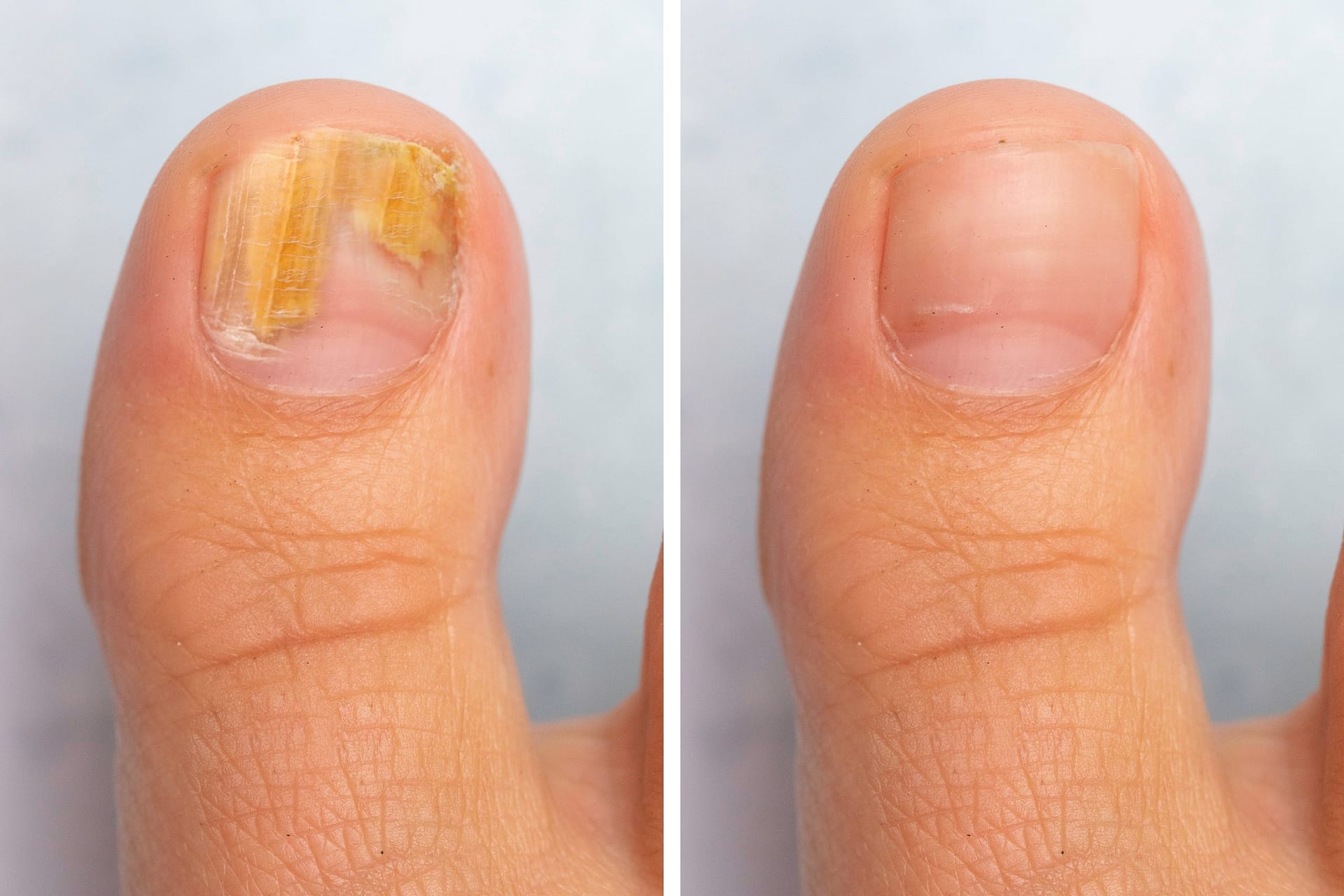
Fungal nail infections are a common condition we see at Randell’s Footcare. While they’re not usually serious, they can be persistent, uncomfortable, and sometimes affect confidence – especially during the warmer months when feet are more visible.
The good news is that with the right advice and treatment, fungal nail infections can be effectively managed.
What is a Fungal Nail Infection?
A fungal nail infection (also known as onychomycosis) occurs when fungi infect the nail, causing it to change in appearance and texture. It most commonly affects the toenails, particularly the big toe.
What Are the Signs?
Fungal nail infections can develop gradually. Common signs include:
- Thickened nails
- Discolouration (yellow, white or brown)
- Brittle or crumbly texture
- Distorted nail shape
- A build-up of debris under the nail
- In some cases, discomfort or pain
If left untreated, the infection can spread to other nails or surrounding skin.
What Causes Fungal Nail Infections?
Fungi thrive in warm, moist environments, making feet particularly vulnerable – especially if they are regularly enclosed in shoes. Common risk factors include:
- Sweaty feet
- Wearing tight or non-breathable footwear
- Using communal areas such as swimming pools or gyms
- Nail trauma or damage
- Reduced circulation
- Diabetes or a weakened immune system
Can It Go Away on Its Own?
In most cases, fungal nail infections do not resolve without treatment. They can persist for months or even years and may gradually worsen over time. Early intervention is key to improving outcomes.
Treatment Options
There are several treatment options available, depending on the severity of the infection:
Topical Treatments
These include medicated nail lacquers or creams. They are most effective in the early stages but often require consistent use over several months.
Oral Medication
In more advanced cases, prescription medication may be recommended. This works from within the body to clear the infection but is not suitable for everyone and requires GP involvement.
Professional Nail Care
Regular podiatry treatment can help reduce nail thickness, improve comfort, and enhance the effectiveness of topical treatments.
How to Prevent Fungal Nail Infections
Prevention plays an important role, particularly if you’ve had a fungal infection before. Simple steps include:
- Keeping feet clean and dry
- Changing socks daily
- Wearing breathable footwear
- Avoiding walking barefoot in communal areas
- Using antifungal sprays or powders if needed
- Not sharing nail clippers or towels
When Should You Seek Advice?
If you notice changes in your nails or suspect a fungal infection, it’s best to seek advice early. This is especially important if you:
- Have diabetes
- Have poor circulation
- Are experiencing pain or discomfort
Early treatment can help prevent the infection from becoming more severe and difficult to manage.
How Randell’s Footcare Can Help
At Randell’s Footcare, our experienced podiatrists can:
- Assess your nails and confirm whether it is a fungal infection
- Reduce thickened nails safely and comfortably
- Recommend the most suitable treatment options
- Provide ongoing care and advice to prevent recurrence
Take the First Step
Fungal nail infections can be stubborn, but they don’t have to be permanent. If you’re concerned about changes to your nails or would like advice on treatment, our team is here to help.
Call us on 01603 737188 or book an appointment online here. Let’s get your feet looking and feeling healthy again.
