
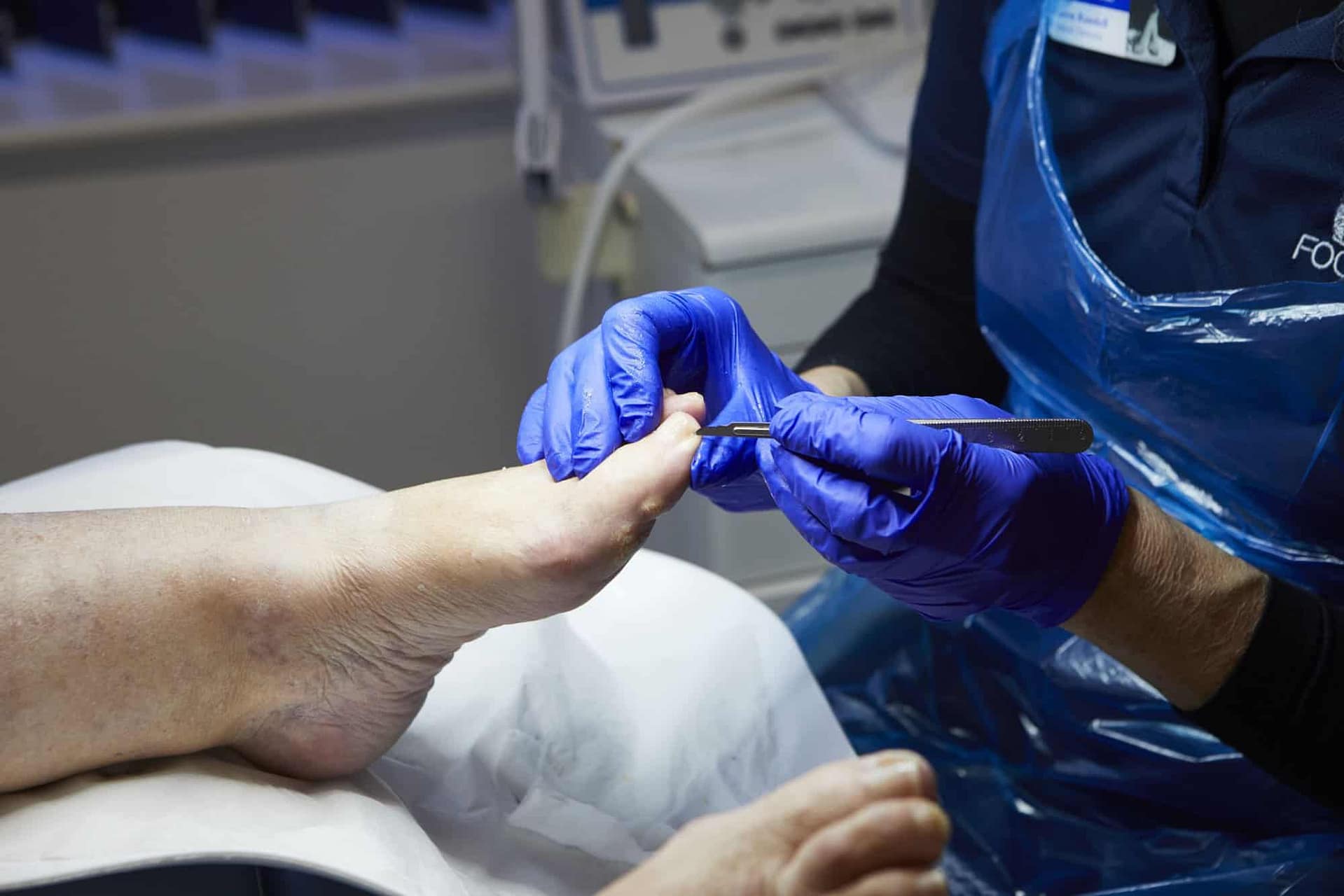

Ingrown toenails are a common and often painful condition. They can cause redness, swelling and discomfort, and in some cases may even lead to infection. Understanding how to prevent and treat ingrown toenails is essential for keeping your feet healthy and comfortable.
In this blog, we share practical tips to help reduce your risk, simple steps for early treatment at home, and advice on when to seek professional podiatry care.
How to Prevent Ingrown Toenails
1. Choose the right footwear
Always wear shoes that fit well and provide enough room for your toes to move freely. Tight or narrow footwear can compress the toes, placing pressure on the nail edges and increasing the risk of ingrown toenails. If you can wiggle your toes easily inside your shoes, you’re on the right track.
2. Cut your toenails correctly
Trim nails straight across rather than rounding them or cutting them too short. Cutting straight across helps prevent the nail from growing into the surrounding skin. If you already have an ingrown nail, carefully rounding the edges can sometimes help to reduce irritation, but avoid cutting too deeply.
3. Avoid picking at your nails or skin
Resist the urge to pick or dig at the sides of your nails. This can damage the surrounding skin, cause inflammation and encourage the skin to grow over the nail edge, which makes the problem worse.
4. Maintain a healthy nail length
Toenails should be kept at a moderate length – not too long and not too short. Keeping them balanced helps maintain a healthy growth pattern and prevents excessive pressure on the nail bed.
5. Protect your toes
If you are prone to ingrown toenails, or have one already developing, protective devices such as toe caps or a small piece of cotton under the nail edge can help lift the nail slightly and stop it digging into the skin.
When to See a Podiatrist
While many mild cases can be managed at home, there are times when professional care is essential. You should contact a podiatrist if:
- Your ingrown toenail does not improve with self-care.
- You notice signs of infection such as redness, swelling, warmth or discharge.
- You experience persistent or severe pain.
- You have diabetes, circulation issues or a weakened immune system.
Early treatment from a podiatrist can make a big difference, preventing the condition from worsening and helping you avoid complications.
Podiatric Treatment Options
Podiatrists are foot health specialists trained to diagnose and treat ingrown toenails. Depending on the severity, treatment may include:
- Advice on nail care and footwear.
- Pain relief and dressing of the affected area.
- Minor surgical procedures to remove the ingrown portion of the nail.
- Long-term strategies to prevent recurrence.
With the right care, most ingrown toenails can be prevented or treated before they become a serious issue. Good foot hygiene, correct nail cutting and well-fitting footwear all play an important role. But if you are struggling with an ingrown toenail, or notice signs of infection, seeking professional podiatry care is the best way to get lasting relief and protect your foot health.
If you’re experiencing problems with ingrown toenails, contact a member of the team today to book an appointment with one of our expert podiatrists.
