
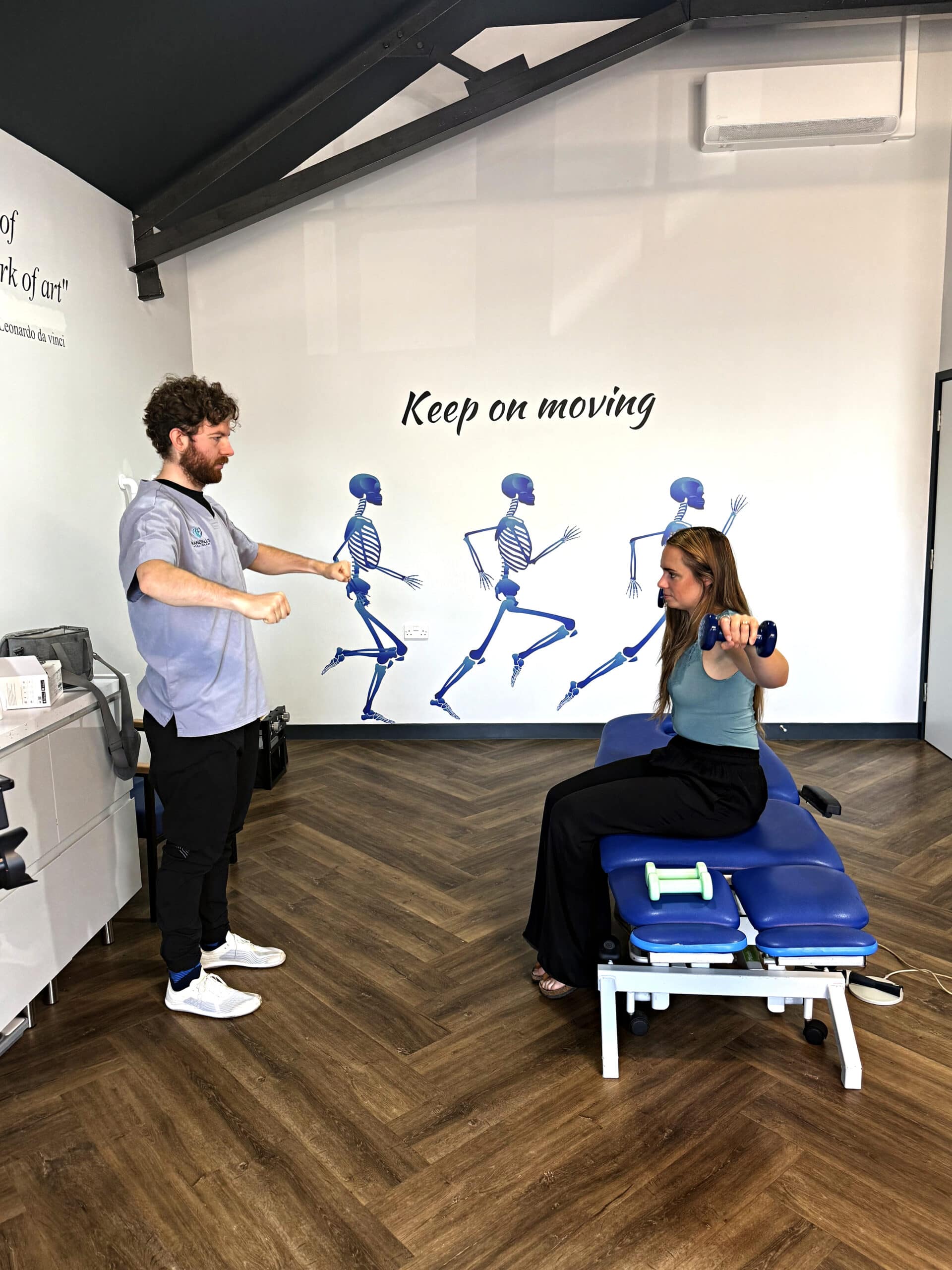


When you’re recovering from an injury or living with ongoing pain, it’s natural to want to either push through it or avoid movement altogether. Unfortunately, neither approach usually works.
Pacing is about finding the right balance so you can stay active while giving your body the best chance to recover.
What is pacing?
Pacing means breaking activities into manageable amounts before your pain becomes too much.
Think of it like going for a long walk. If you wait until you’re completely exhausted before resting, you’ll need a much longer recovery. Taking short, planned breaks before reaching that point allows you to do more overall and recover more quickly.
The same principle applies to many injuries.
The traffic light system
A simple way to think about pacing is to use traffic lights.
Green
Your pain is absent or barely noticeable.
Keep going as normal.
Amber
You can feel your symptoms starting, but they’re mild and manageable.
Slow down if needed, take a short break, or reduce the intensity. Mild discomfort is often acceptable, but try not to let it become severe.
Red
Your pain has become significant or is forcing you to stop.
This usually means you’ve done too much and your body now needs time to settle before trying again.
The aim isn’t to avoid all discomfort, but to spend most of your activity in the green and amber zones rather than repeatedly reaching red.
Why is this important?
Many tissues become stronger when they’re exposed to the right amount of activity.
Doing too little can leave them weaker and stiffer.
Doing too much can make symptoms flare up and delay recovery.
Gradually increasing what your body can tolerate helps build strength and confidence over time.
Pain doesn’t always mean damage
Pain is your body’s warning system, but like a smoke alarm, it isn’t always perfectly accurate.
Sometimes it reacts appropriately, but other times it becomes extra sensitive and starts responding to things that aren’t actually causing harm.
This is why an old injury or long-standing pain can sometimes hurt more than the tissues themselves would suggest.
That doesn’t mean the pain isn’t real. It simply means your nervous system has become more protective. The good news is that, with the right approach, this sensitivity can often improve.
Everyone is different
Different injuries need different advice.
For example, many tendon and muscle injuries benefit from carefully increasing activity, while a fracture often needs a period of protection before loading begins. This is why getting the correct diagnosis is so important.
How can physiotherapy help?
A physiotherapist can help you understand what’s causing your symptoms and develop a personalised pacing plan. Together, we’ll help you:
- Understand what is safe to do.
- Gradually increase your activity levels.
- Reduce flare-ups.
- Improve strength and confidence.
- Return to the activities you enjoy.
The bottom line
Recovery isn’t usually about complete rest or pushing through pain. It’s about finding the right balance.
By gradually increasing activity at a pace your body can tolerate, most people become stronger, more confident and less limited by pain over time.
If you’re unsure how much activity is right for you, our physiotherapists can help create a plan that’s tailored to your recovery.
Book an appointment with a physiotherapist here or if you would like more information on pacing you can find it here
